What Is a Compression Fracture?
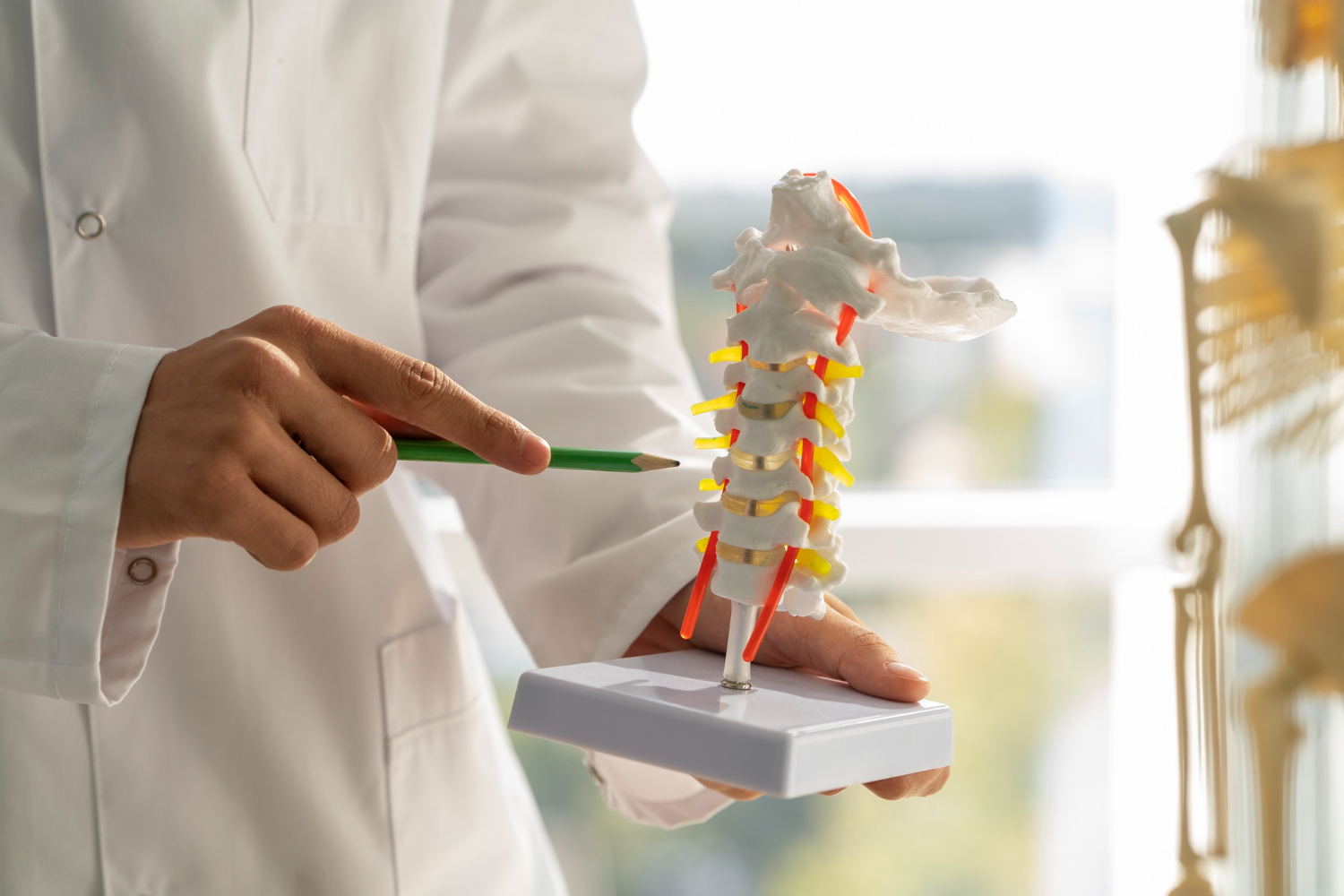
A spinal compression fracture is a type of break in a vertebra, one of the bones that make up your spinal column. This fracture occurs when the vertebral body, the thick, rounded part of the bone, collapses under pressure, often becoming shorter or wedge-shaped.
Causes and Risk Factors
Spinal compression fractures are not always caused by major trauma. The most common causes are:
-
Osteoporosis: This is the leading cause. Osteoporosis is a disease that causes bones to become thin and weak, making them more susceptible to fractures. In severe cases, a compression fracture can be caused by a simple action like coughing, sneezing, bending forward, or lifting a light object.
-
Trauma: A significant injury, such as a car accident, a fall from a height, or a sports injury, can exert a force strong enough to fracture a vertebra, even in a healthy spine.
-
Cancer (Metastatic Disease): Cancer that has spread to the bones of the spine can weaken the vertebrae, making them more prone to collapse. A spinal compression fracture might be the first sign that a person has undiagnosed cancer.
Symptoms
Many people with a compression fracture, especially those related to osteoporosis, may not have any symptoms or may mistake the pain for general back pain or arthritis. When symptoms do occur, they can include:
-
Sudden, severe back pain: This pain can be localized to the fracture site and may worsen with standing, walking, or bending, but often feels better when lying down.
-
Gradual onset of pain: In some cases, the pain develops slowly over time.
-
Loss of height: As vertebrae collapse, a person may notice they are getting shorter.
-
Stooped or hunched posture (Kyphosis): Multiple fractures can cause the spine to curve forward, creating a rounded or hunched back often called a "dowager's hump."
-
Limited mobility: The pain can make it difficult to bend, twist, or perform daily activities.
-
Neurological symptoms: If the fracture is severe and bone fragments press on the spinal cord or nerves, it can cause more serious symptoms like numbness, tingling, weakness in the legs, or problems with bladder or bowel control.
Diagnosis
A doctor will typically diagnose a spinal compression fracture through a combination of methods:
-
Physical Exam: The doctor will check for tenderness along the spine, a change in posture, and signs of nerve damage.
-
Medical History: The doctor will ask about the patient's symptoms, any recent injuries, and a history of osteoporosis or other related conditions.
-
Imaging Tests:
-
X-ray: This is the most common and initial test to view the spine and identify a collapsed or wedge-shaped vertebra.
-
MRI or CT Scan: These more detailed scans may be used to assess the severity of the fracture, check for nerve or spinal cord involvement, or look for underlying causes like a tumor.
-
Bone Density Test: If osteoporosis is suspected, a bone density scan (DEXA scan) will be performed.
-
Treatment
Treatment for a spinal compression fracture depends on the cause, the severity of the fracture, and the patient's overall health.
-
Conservative (Non-Surgical) Treatment:
-
Rest and Pain Medication: Resting and using pain relievers (like NSAIDs or other prescription pain medication) can help manage acute pain.
-
Back Brace: A back brace can provide support, limit movement, and help stabilize the spine while the fracture heals.
-
Physical Therapy: Once the initial pain subsides, physical therapy can help strengthen back muscles and improve posture to prevent future fractures.
-
-
Surgical and Minimally Invasive Procedures:
-
Vertebroplasty: A procedure where a special bone cement is injected into the fractured vertebra to stabilize it and reduce pain.
-
Kyphoplasty: Similar to vertebroplasty, but a balloon is first inserted into the collapsed vertebra and inflated to restore some of its height before the cement is injected. These procedures are typically used for severe, persistent pain that doesn't respond to conservative treatment.
-
-
Addressing the Underlying Cause:
-
If the fracture is due to osteoporosis, treatment will also focus on managing the bone loss with medications and lifestyle changes to prevent future fractures.
-
If the cause is a tumor, the treatment will be directed at the cancer.
-