What is Kidney Cancer
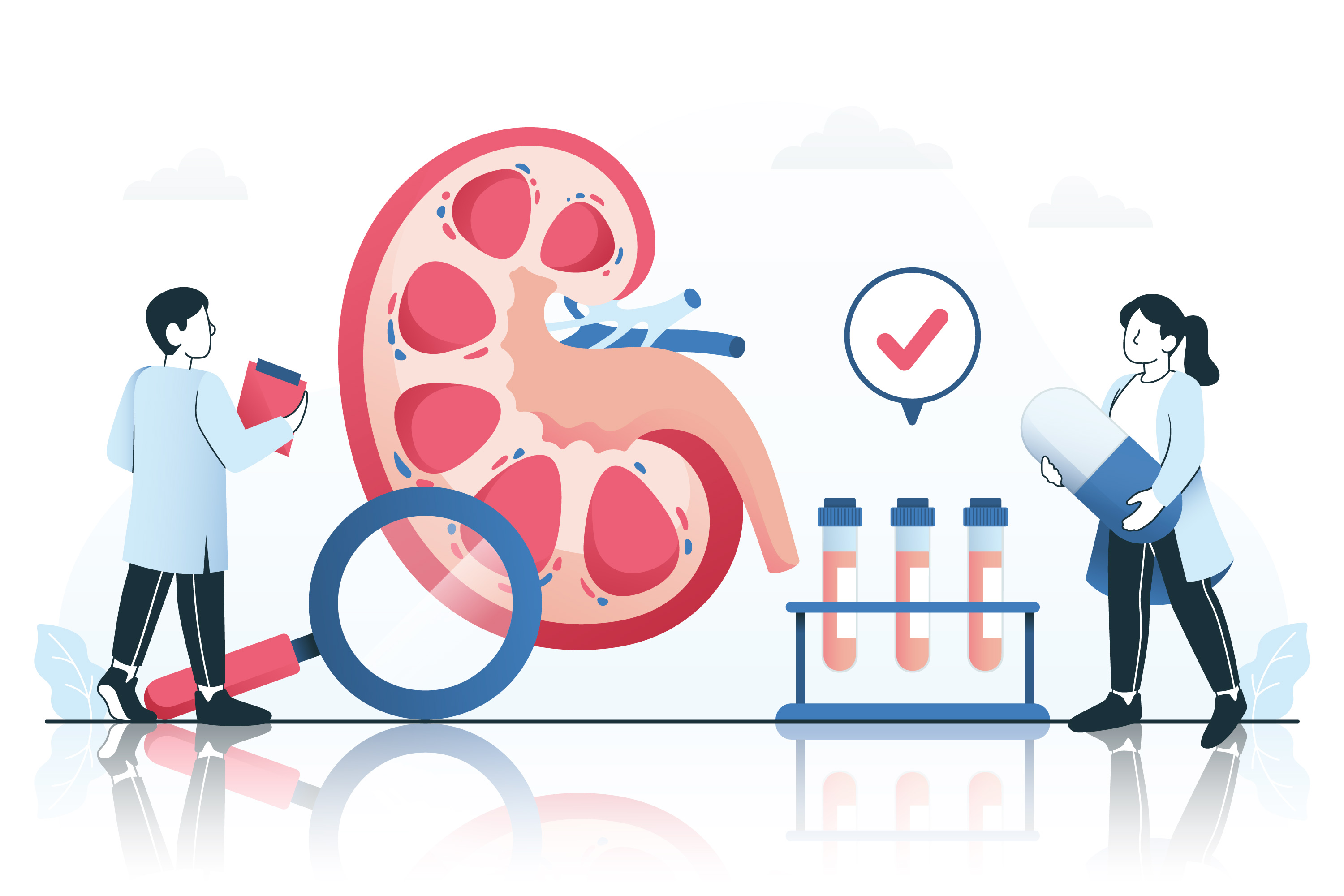
What is Kidney Cancer?
Kidney cancer is a disease that starts in the kidneys, which are a pair of bean-shaped organs located on either side of the spine, just below the rib cage. The kidneys are essential for filtering waste products from the blood and producing urine. When healthy cells in the kidney begin to grow and multiply uncontrollably, they can form a mass called a tumor, leading to kidney cancer.
The most common type of kidney cancer in adults is Renal Cell Carcinoma (RCC), which accounts for about 9 out of 10 cases. There are several subtypes of RCC, with "clear cell" being the most common. Other, less common types of kidney cancer include transitional cell carcinomas (which start in the renal pelvis) and Wilms tumors (which primarily affect children).
Signs and Symptoms
In its early stages, kidney cancer often doesn't cause any noticeable symptoms. It is frequently discovered by chance during imaging tests for other health conditions. As the tumor grows, symptoms may begin to appear. These can include:
-
Blood in the urine (hematuria): This is the most common symptom. The urine may appear reddish, dark, or rusty.
-
A lump or mass: A lump can sometimes be felt in the side or lower back.
-
Persistent pain: A constant, dull ache in the lower back or side, just below the ribs.
-
Unexplained weight loss: Losing a significant amount of weight without trying.
-
Extreme fatigue: Feeling very tired and weak.
-
Fever: A recurring fever that isn't caused by an infection.
-
Anemia: A low red blood cell count, which can lead to fatigue.
It's important to note that these symptoms can also be caused by other, non-cancerous conditions. If you experience any of these signs, it's crucial to consult a doctor for a proper diagnosis.
Risk Factors
While the exact cause of kidney cancer is not fully known, several factors can increase a person's risk:
-
Smoking: Tobacco use is a major risk factor and is linked to a higher risk of RCC.
-
Obesity: People who are overweight or obese have a higher risk.
-
High Blood Pressure (Hypertension): A history of high blood pressure is associated with an increased risk.
-
Age and Gender: The risk increases with age, and it is about twice as common in men as in women.
-
Family History and Genetics: Having a close relative with kidney cancer or certain inherited genetic conditions (like von Hippel-Lindau disease) can increase the risk.
-
Long-term Dialysis: Individuals with advanced kidney disease who are on long-term dialysis have a higher risk.
-
Workplace Exposure: Exposure to certain chemicals, such as trichloroethylene and cadmium, may increase the risk.
Diagnosis and Treatment
Diagnosis typically involves a physical exam, blood and urine tests, and imaging scans (such as ultrasound, CT scan, or MRI) to visualize the kidneys and check for tumors. A biopsy may be performed to confirm the diagnosis by analyzing a small sample of tissue.
The treatment for kidney cancer depends on several factors, including the type, size, and stage of the cancer, as well as the patient's overall health. Common treatment options include:
-
Surgery: This is the most common treatment for localized kidney cancer. Options range from a partial nephrectomy (removing only the tumor and a small part of the kidney) to a radical nephrectomy (removing the entire kidney, and sometimes the adrenal gland and nearby lymph nodes).
-
Ablation Therapy: For small tumors, procedures like cryoablation (freezing the tumor) or radiofrequency ablation (using heat to destroy cancer cells) can be used, especially for patients who are not good candidates for surgery.
-
Targeted Therapy: These are drugs that specifically attack cancer cells by targeting certain molecules that help them grow and divide.
-
Immunotherapy: This type of treatment uses medications to help the body's own immune system recognize and destroy cancer cells. It is often used for advanced kidney cancer.
-
Radiation Therapy: While not as effective for most types of kidney cancer as other treatments, it may be used to manage symptoms or treat cancer that has spread to other parts of the body.
-
Active Surveillance: For small, slow-growing tumors, especially in older or frail patients, doctors may opt to monitor the tumor closely with regular imaging instead of immediate treatment.