What Are Uterine Fibroids?
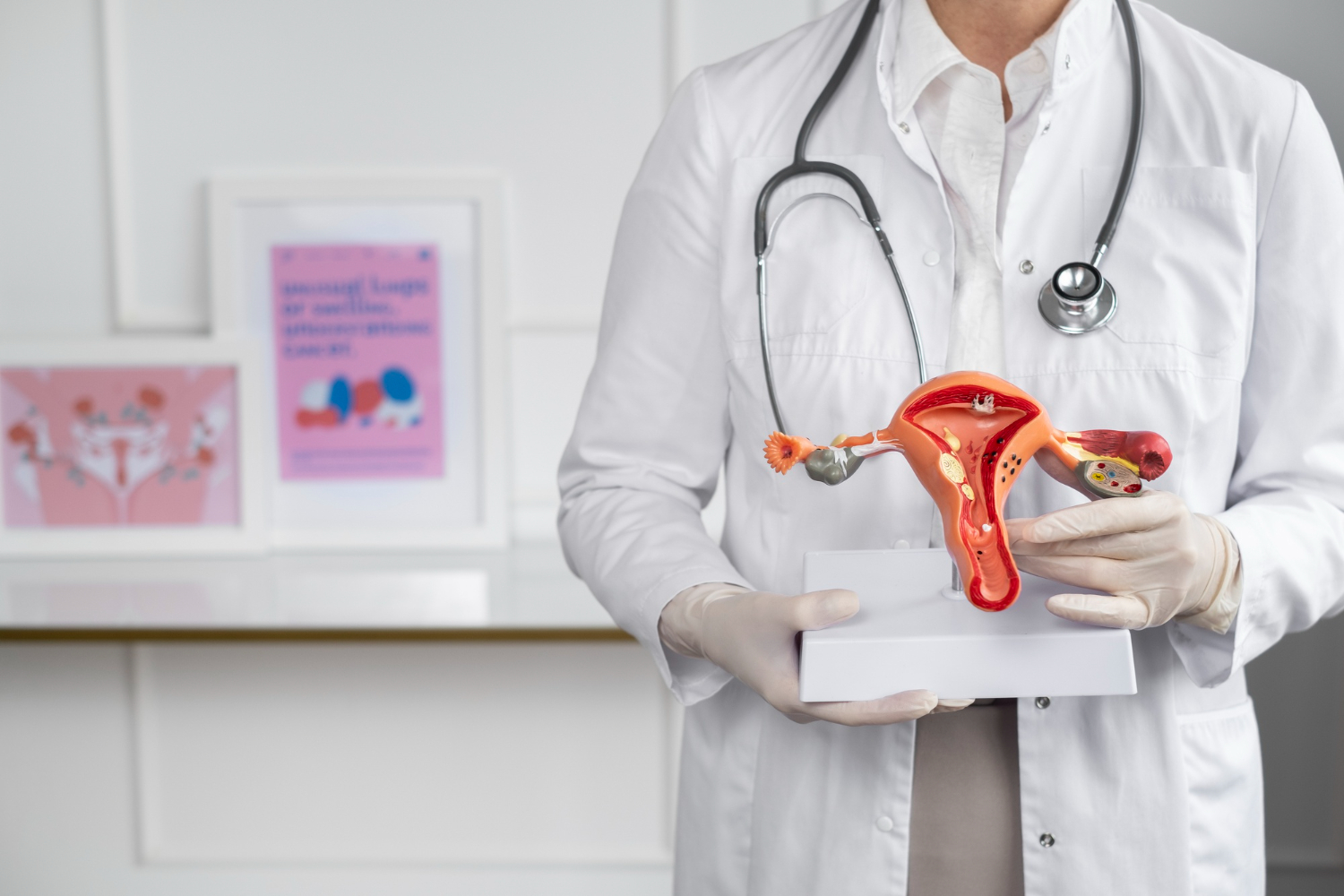
Uterine fibroids, also known as leiomyomas or myomas, are non-cancerous growths that develop in or on the wall of the uterus. They are very common, with many women developing them at some point during their reproductive years, though they are often unaware of them because they may not cause any symptoms.
Fibroids are made of muscle and fibrous tissue, and they can vary significantly in size, ranging from tiny, microscopic growths to large masses that can fill the entire uterus. A woman can have a single fibroid or multiple fibroids.
Based on their location, fibroids are typically classified into three main types:
-
Intramural fibroids: These are the most common type, growing within the muscular wall of the uterus.
-
Subserosal fibroids: These fibroids develop on the outside of the uterus wall and can grow outward into the pelvis.
-
Submucosal fibroids: This is the least common type. They grow in the muscle layer just beneath the inner lining of the uterus and protrude into the uterine cavity.
Some fibroids, particularly subserosal and submucosal ones, can be attached to the uterus by a stalk-like structure, and these are known as pedunculated fibroids.
Symptoms
Many women with uterine fibroids have no symptoms and may only discover them during a routine pelvic exam or an ultrasound. However, for those who do experience symptoms, they can significantly impact daily life. The type and severity of symptoms depend on the size, number, and location of the fibroids.
Common symptoms include:
-
Heavy and prolonged menstrual bleeding: This is a very frequent symptom and can lead to anemia (a lack of red blood cells), causing fatigue, weakness, and dizziness.
-
Pelvic pain or pressure: A feeling of fullness or a dull ache in the lower abdomen or pelvis.
-
Frequent urination: Fibroids pressing on the bladder can reduce its capacity, leading to a constant need to urinate.
-
Constipation: Large fibroids can put pressure on the rectum, causing difficulty with bowel movements.
-
Pain during intercourse.
-
Lower back or leg pain: Especially if a fibroid is pressing on the nerves in the lower back.
-
Enlarged abdomen: Very large fibroids can cause the abdomen to swell, sometimes making a woman look pregnant.
-
Infertility or pregnancy complications: In some cases, fibroids can interfere with conception or increase the risk of miscarriage or premature birth.
Causes and Risk Factors
The exact cause of uterine fibroids is unknown, but several factors are believed to play a role:
-
Hormones: The female hormones estrogen and progesterone appear to promote the growth of fibroids. Fibroids tend to grow during a woman's reproductive years when hormone levels are high and often shrink after menopause when hormone levels drop.
-
Genetics: Fibroids often run in families, suggesting a genetic link.
-
Other Growth Factors: Substances in the body that help maintain tissues, such as insulin-like growth factors, may influence fibroid growth.
-
Ethnicity: Women of African-Caribbean descent have a significantly higher risk of developing fibroids, often at a younger age, and they tend to have more severe symptoms.
-
Obesity: Being overweight or obese can increase the risk of fibroids, as it is linked to higher estrogen levels.
Treatment Options
If fibroids are not causing any symptoms, treatment is generally not necessary. For women who do have bothersome symptoms, several treatment options are available, ranging from medication to surgical procedures. The choice of treatment depends on the severity of symptoms, the size and location of the fibroids, and whether the woman wants to preserve her ability to have children.
-
Medications:
-
Hormonal birth control: Oral contraceptives, IUDs, or other hormonal methods can help manage heavy bleeding and pain.
-
GnRH agonists: These medications temporarily stop the production of estrogen and progesterone, causing fibroids to shrink. They are often used short-term before surgery.
-
-
Non-Surgical Procedures:
-
Uterine Artery Embolization (UAE): A procedure where small particles are injected into the arteries that supply the fibroids with blood, causing them to shrink and die.
-
Radiofrequency Ablation (RFA): A minimally invasive procedure that uses heat to destroy fibroid tissue.
-
MRI-Guided Focused Ultrasound Surgery (FUS): A non-invasive treatment that uses high-frequency sound waves to heat and destroy fibroid tissue while preserving the uterus.
-
-
Surgical Procedures:
-
Myomectomy: A surgical procedure to remove the fibroids while leaving the uterus intact. This is often the preferred option for women who want to preserve their fertility.
-
Hysterectomy: The surgical removal of the entire uterus. This is a permanent solution and is an option for women who have completed childbearing and have severe symptoms. It is the only definitive cure for fibroids.
-