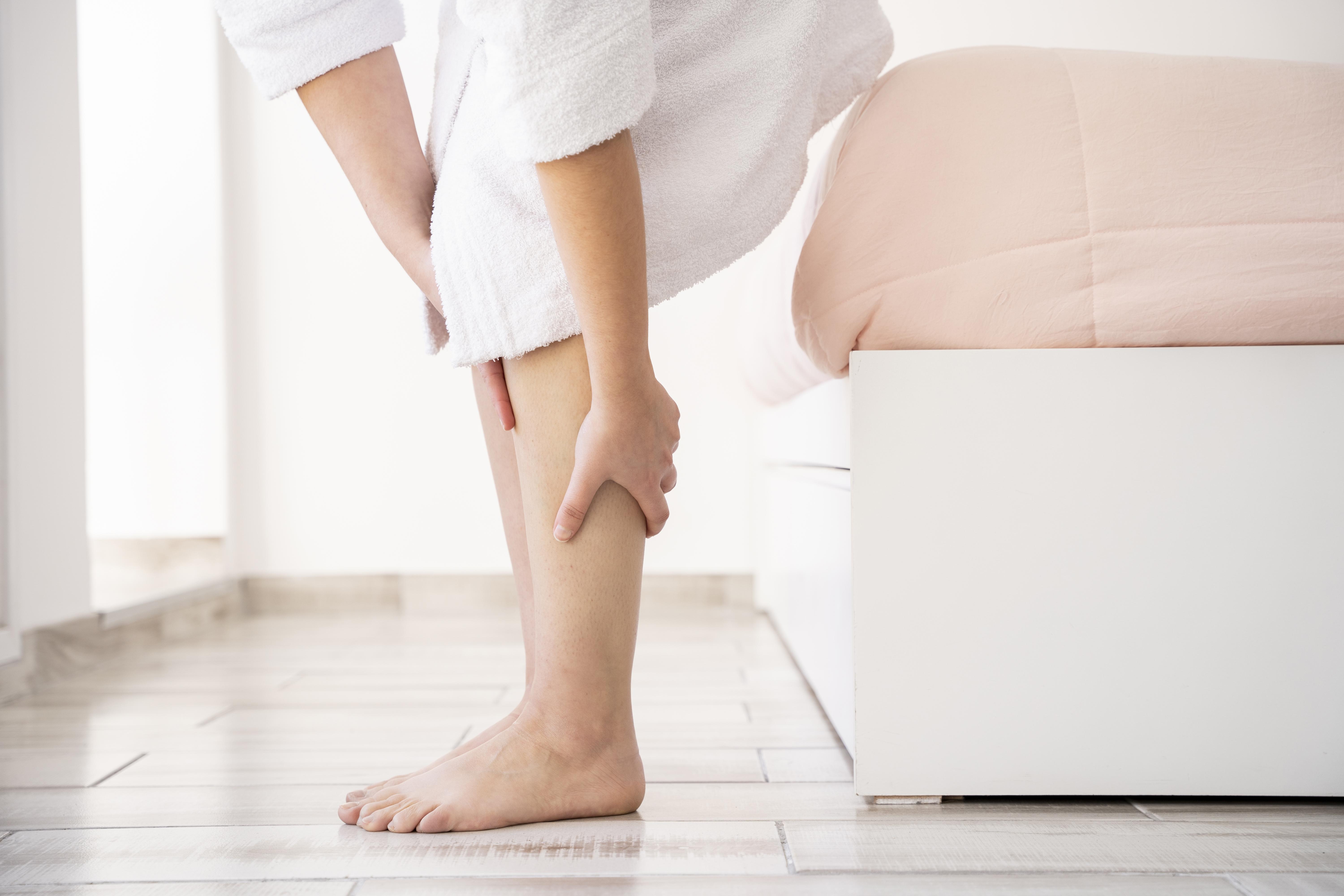
Peripheral Artery Disease (PAD) is a common circulatory condition in which narrowed arteries reduce blood flow to the limbs, most often the legs. This is primarily caused by a buildup of fatty plaque, a condition known as atherosclerosis.
Key Aspects of Peripheral Artery Disease:
-
Atherosclerosis: This is the main cause of PAD. Plaque, which is made up of fat, cholesterol, and other substances, builds up inside the artery walls. This buildup narrows and hardens the arteries, restricting the flow of oxygen-rich blood to the muscles and tissues in the legs and feet.
-
Symptoms: Many people with PAD have no symptoms, or they may mistake them for signs of aging. However, the most classic symptom is claudication, which is painful muscle cramping in the legs, hips, or thighs that is brought on by physical activity like walking or climbing stairs and is relieved by rest. Other symptoms can include:
-
Numbness, weakness, or coldness in the lower leg or foot.
-
Sores on the legs or feet that heal very slowly or not at all.
-
A noticeable decrease in the temperature of one leg or foot compared to the other.
-
Changes in skin color, such as pale or bluish skin.
-
Poor hair growth on the legs and poor toenail growth.
-
Erectile dysfunction in men.
-
Risk Factors: The risk factors for PAD are similar to those for other cardiovascular diseases. They include:
-
Smoking (the most significant risk factor)
-
Diabetes
-
High blood pressure
-
High cholesterol
-
Obesity and a sedentary lifestyle
-
Older age
-
A family history of PAD or other cardiovascular diseases
-
Diagnosis: Doctors typically diagnose PAD through a physical exam, a review of symptoms, and a simple, non-invasive test called the ankle-brachial index (ABI). The ABI compares the blood pressure in your ankle to the blood pressure in your arm. A lower reading in the ankle can indicate a blockage. Other diagnostic tests may include ultrasounds, CT angiography, or magnetic resonance angiography (MRA).
-
Treatment: The goals of PAD treatment are to manage symptoms and prevent the progression of atherosclerosis, which reduces the risk of heart attack and stroke. Treatment can involve:
-
Lifestyle changes: Quitting smoking, regular exercise (often through a supervised program), and a heart-healthy diet are crucial.
-
Medications: Doctors may prescribe drugs to lower cholesterol (statins), control blood pressure, manage diabetes, prevent blood clots, and relieve leg pain.
-
Procedures and Surgery: In more severe cases, angioplasty (using a balloon to open a blocked artery) or bypass surgery may be necessary to restore blood flow to the limb.
If left untreated, severe PAD can lead to serious complications such as gangrene and, in the most critical cases, amputation. It is also a sign that arteries throughout the body, including those leading to the heart and brain, may be affected, increasing the risk of heart attack and stroke.